


Flagpole Factory Verification Checklist for Buyers
Flagpole Factory Verification Checklist: How to Evaluate a Commercial Flagpole Supplier
Short answer: A commercial flagpole supplier should be evaluated against the exact project requirement, not only a catalog image or a price sheet. Before award, verify who controls the drawings, materials, fabrication, quality records, packaging and delivery responsibility.
For architects, contractors and procurement teams, factory verification reduces avoidable risk before a flagpole enters production. It also makes it easier to compare a manufacturer, reseller, importer or trading company on the same evidence-based basis.
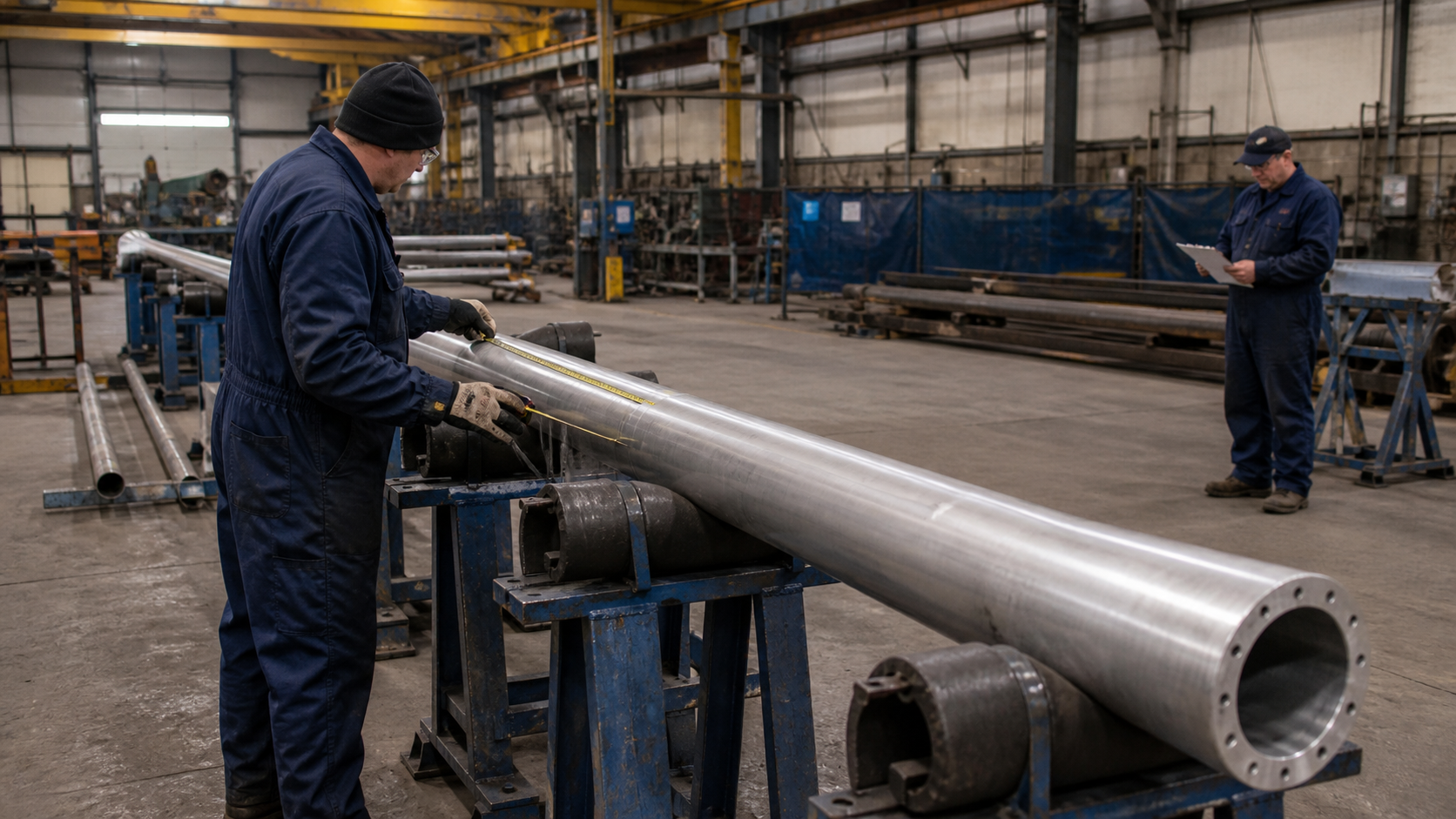
1. Start With the Project Requirement
Write down the required flagpole height, shaft material, finish, flag arrangement, internal or external halyard system, base condition, site wind information and delivery location. A supplier cannot provide meaningful evidence until the product configuration is clear.
Where drawings, calculations or a local engineer are required, identify the responsible party in the purchase documents. A general product statement is not a substitute for project-specific review.
2. Verify the Supplier's Product Scope
Ask the supplier to identify the product types it actually controls: aluminum or stainless steel shafts, multi-section assemblies, internal winches, external halyards, truck assemblies, base plates, anchor bolts and related accessories.
A manufacturer, reseller, importer and trading company can each be part of a valid supply chain. The important question is who owns the technical information, manages production quality and remains responsible for the delivered product.
3. Ask for Drawings and Engineering Evidence
Request drawings that match the quotation. At minimum, review the overall height, shaft profile, section joints where applicable, base or foundation interface, anchor layout, hardware arrangement and finish requirement.
For engineered projects, confirm what design inputs were used and who is responsible for reviewing wind, flag load, attachment load and site conditions. NAAMM FP 1001 is a useful specification reference for metal flagpole design topics, but project requirements still control.
4. Check Material Traceability and Component Records
If the contract requires it, request material certificates, heat or lot traceability, finish documentation and a component list. The documents should identify the product actually being supplied rather than a generic material description.
Also confirm the source and model of important components such as winches, halyards, cleats, trucks, pulleys, counterweights and anchor hardware. This helps the buyer compare like-for-like offers.
5. Review Fabrication and Quality Controls
Ask how dimensional checks, surface preparation, finish application, assembly checks and final packing inspection are handled. If welding is part of the quoted product, request the applicable fabrication and inspection information when the project specification requires it.
An ISO 9001 certificate may indicate that an organization operates a quality management system. It does not by itself prove that a specific flagpole satisfies a project's drawings, load assumptions, material requirements or inspection plan.
6. Confirm Packaging, Delivery and Site Support
Clarify the shipping length, package count, lifting points, protective wrapping, export packing method, unloading equipment and delivery documents before production begins. Long flagpole sections can create transport and site-handling constraints that should not be discovered after shipment.
For installation work, confirm the interface between the supplied flagpole, foundation detail, anchor assembly and site contractor. Final installation approval should remain with the responsible project team.
7. Factory Verification Checklist
| Evidence to Request | Why It Matters | What to Confirm |
|---|---|---|
| Product drawings | Connects the quote to the required configuration. | Dimensions, base interface, hardware and finish. |
| Material and component records | Supports traceability when specified. | Applicable alloy, finish and component identity. |
| Inspection plan | Defines the checks expected before dispatch. | Dimensions, finish, assembly and packing checks. |
| Packing and delivery plan | Reduces transport and unloading surprises. | Lengths, package count, lifting and documents. |
8. Questions to Ask Before Award
- Who prepares and approves the product drawings?
- Who controls fabrication, inspection and final packing?
- Which materials and components are included in the quoted scope?
- What project documents can be provided before production and before shipment?
- Who is responsible for the foundation, anchors and site installation interface?
9. Frequently Asked Questions
How can I tell whether a flagpole supplier is a factory or reseller?
Request facility and product evidence, then identify who controls drawings, fabrication, quality checks and contractual responsibility. The business model matters less than clear technical accountability.
What documents should I request before ordering a commercial flagpole?
Request project drawings, material and finish documents where required, a hardware list, a packing and delivery plan, and inspection records when the contract calls for them.
Does an ISO 9001 certificate prove a flagpole meets the project design?
No. ISO 9001 concerns a quality management system. It does not replace project calculations, detailed drawings, material selection or product-specific inspection requirements.
10. References
- NAAMM: Guide Specifications for Design of Metal Flagpoles
- ISO 9001 Quality Management Systems
- ASTM International
Need a project review? Fortune Pole can review the proposed flagpole configuration and documentation requirements before quotation. Final approval should follow the project submittal process and the responsible engineer or owner requirements.