


Commercial Flagpole Cost Guide: Materials, Installation and Shipping
Commercial Flagpole Cost Guide: Materials, Installation and Shipping
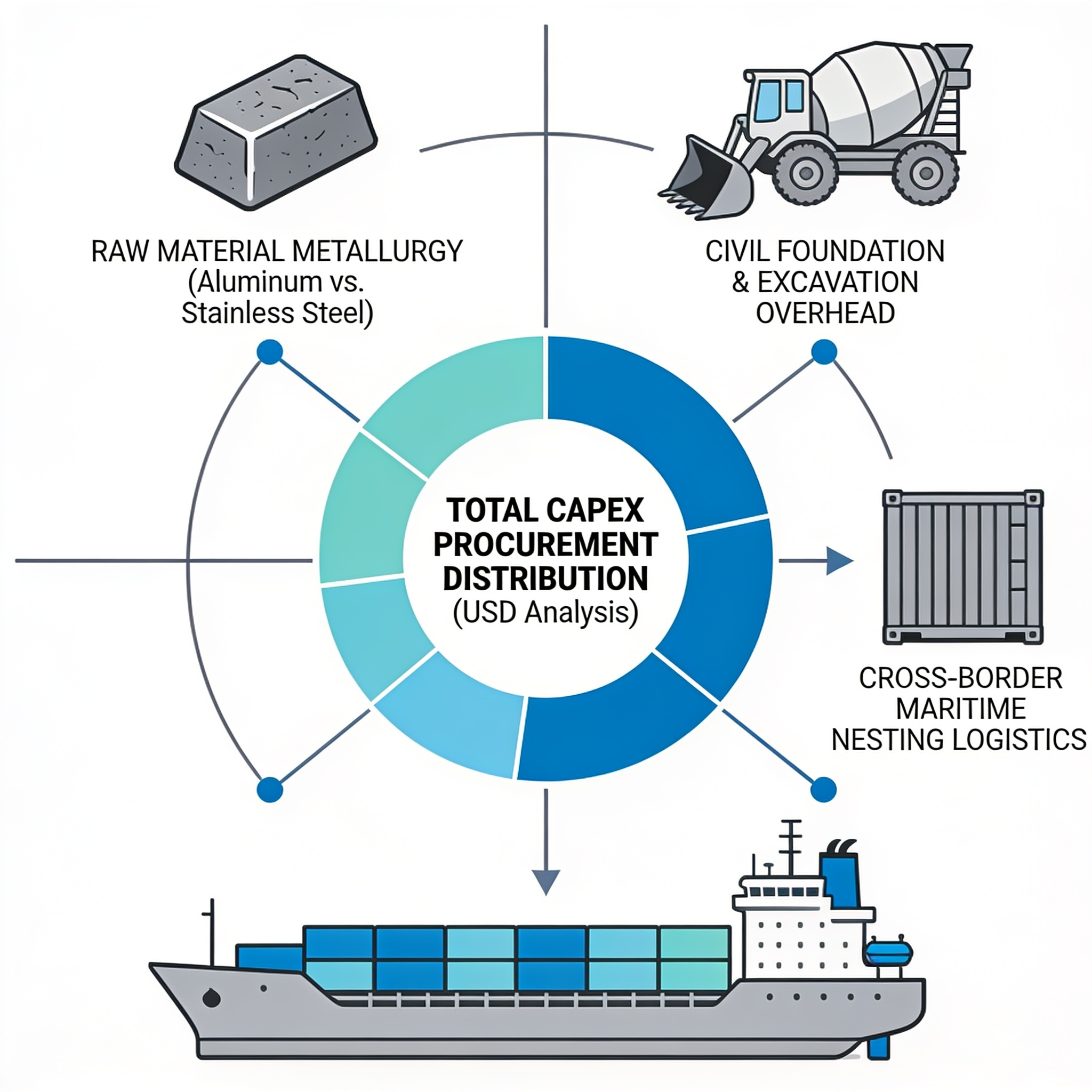
Short answer: commercial flagpole cost is not determined by height alone. A reliable budget should include material grade, shaft diameter, wall thickness, finish, halyard system, foundation design, installation equipment, freight route, customs documents, and project approval requirements.
Procurement takeaway: factory-direct sourcing can help control avoidable purchasing layers, but the real value comes from matching the flagpole design, documentation, packing method, and shipping plan to the actual project.
Why Commercial Flagpole Prices Vary
Two commercial flagpoles with the same height can have very different prices. The difference may come from base diameter, wall thickness, aluminum or stainless steel grade, surface finish, internal or external halyard hardware, wind-load assumptions, welding requirements, packaging, and delivery distance.
For project buyers, the first quote is only part of the total cost. A cheaper pole can become expensive if the foundation is unclear, the freight is inefficient, the finish does not match the building, or the documents are not enough for engineer or owner approval.
Material Cost: Aluminum, Stainless Steel and Heavy Steel
Material selection is one of the largest cost drivers. Aluminum is widely used for commercial flagpoles because it offers a practical balance of weight, corrosion resistance, and manufacturability. Stainless steel is often selected for premium architectural sites, coastal environments, or projects that require a polished appearance. Heavy steel may be used for very tall or special structural applications.
- Aluminum flagpoles: usually suitable for schools, hotels, commercial buildings, corporate campuses, and general outdoor installations.
- Stainless steel flagpoles: usually selected for premium entrances, coastal sites, high-visibility plazas, and architectural projects.
- Heavy steel flagpoles: usually considered for tall poles, large flags, high wind exposure, or special engineering requirements.
Height, Diameter and Wall Thickness
Flagpole cost usually increases faster than height. A taller pole needs a larger base diameter, suitable wall thickness, stronger connection details, and a more careful foundation. Buyers should not compare only the height shown on a quote. A fair comparison should also include shaft profile, base diameter, wall thickness, wind-load assumption, and recommended flag size.
For commercial projects, Fortune Pole can review the site requirement and prepare a project-specific configuration instead of forcing every buyer into one standard catalog model.
Foundation and Installation Cost
Foundation and installation can become a major part of the total project budget. A ground sleeve installation may require excavation, concrete, backfill, alignment work, and curing time. A shoe base or anchor bolt installation may reduce excavation depth, but it requires accurate bolt placement and a suitable concrete base.
For taller flagpoles, the buyer may also need crane rental, lift equipment, rigging labor, traffic control, site safety planning, and torque verification. These field costs are usually handled locally, so they should be estimated before the purchase order is finalized.
Hardware and Finish Cost
Hardware selection affects both initial price and long-term maintenance. External halyard systems are simple and familiar, while internal halyard systems offer better security and a cleaner appearance. Winch systems, stainless steel cable, lockable access doors, rotating trucks, finials, cleats, and lighting accessories can all change the budget.
Finish also matters. Brushed stainless steel, polished stainless steel, anodized aluminum, powder coating, and custom color matching require different production processes. A durable finish may cost more at purchase, but it can reduce future replacement or refinishing pressure in exposed environments.
Shipping and Packing Cost
Commercial flagpoles are difficult to ship because they are long, hollow, and easily affected by inefficient container use. A one-piece long pole may create high freight pressure. Sectional flagpoles, slip-joint designs, and nesting plans can improve shipping efficiency when the engineering requirement allows it.
For international buyers, the total landed cost should include export packing, inland transport, ocean freight, insurance, customs documents, import duties, destination handling, and final delivery to the project site. Incoterms should be confirmed clearly so the buyer knows where risk and cost transfer.
Budget Planning Matrix
| Cost Area | Main Driver | Buyer Check | Cost Risk |
|---|---|---|---|
| Flagpole shaft | Height, diameter, wall thickness, material grade | Compare drawings, not only height | Medium to high |
| Finish | Anodizing, powder coating, brushing, polishing, painting | Confirm color, surface standard, and environment | Medium |
| Hardware | External halyard, internal halyard, winch, cable, truck, finial | Check security, maintenance, and user access | Medium |
| Foundation | Soil condition, concrete volume, anchor method, wind load | Request base detail and local engineering review | High |
| Installation | Crane, lift, rigging crew, site access, safety control | Confirm local equipment and labor before delivery | High |
| Shipping | Pole length, packing method, container use, destination | Review sectional design, nesting, Incoterms, and documents | Medium to high |
Factory-Direct Cost Control
Factory-direct sourcing can reduce avoidable purchasing layers, but it should not be treated as a shortcut around engineering. The best use of a factory-direct manufacturer is early technical communication. Buyers can share height, site environment, flag size, finish preference, mounting method, and destination, then receive a more accurate manufacturing and packing proposal.
Fortune Pole supports commercial flagpole buyers with custom manufacturing, project-based configuration, export packing, and documentation for review. This is useful for contractors, developers, distributors, and project owners who need more than a simple online product listing.
Documents to Request Before Final Pricing
- Product drawing with height, diameter, wall thickness, base detail, and hardware layout.
- Material information for aluminum, stainless steel, steel, or other specified materials.
- Finish description, including powder coating, anodizing, brushing, polishing, or painting.
- Wind-load assumptions and recommended flag size where applicable.
- Foundation or anchor detail for local engineer review.
- Packing plan, sectional layout, container plan, or crate details.
- Commercial invoice, packing list, certificate documents, and Incoterms for international orders.
- Warranty scope, maintenance expectations, and replacement part availability.
FAQ
How much does a commercial flagpole cost?
A commercial flagpole budget depends on height, material, wall thickness, finish, hardware, foundation, installation equipment, shipping method, and documentation requirements. A project quote is needed for final pricing.
Why do two same-height flagpoles have different prices?
Same-height flagpoles can differ in base diameter, wall thickness, alloy or steel grade, finish, halyard system, wind-load assumptions, welding details, and packing method.
What costs are often missing from a flagpole quote?
Common missing items include excavation, concrete, anchor bolts, crane or lift rental, rigging labor, inland freight, customs duties, replacement hardware, and long-term maintenance.
Does factory-direct sourcing always reduce flagpole cost?
Factory-direct sourcing can reduce avoidable distributor layers, but total value depends on technical fit, documentation quality, packing efficiency, shipping route, and after-sales support.
How does shipping affect commercial flagpole cost?
Long one-piece poles may create high freight pressure. Sectional designs, nesting plans, and suitable Incoterms can help buyers control container use, risk transfer, and landed cost.
References