


Aluminum vs Stainless Steel Flagpoles
Aluminum vs Stainless Steel Flagpoles: How to Choose for Commercial Projects
Short answer: Neither aluminum nor stainless steel is automatically the better flagpole material. The right choice depends on the project environment, required appearance, pole configuration, finish, maintenance expectations, foundation interface and approved engineering criteria.
A material comparison is most useful when it helps the buyer ask better project questions. It should not replace a project specification, structural review or site-specific corrosion assessment.
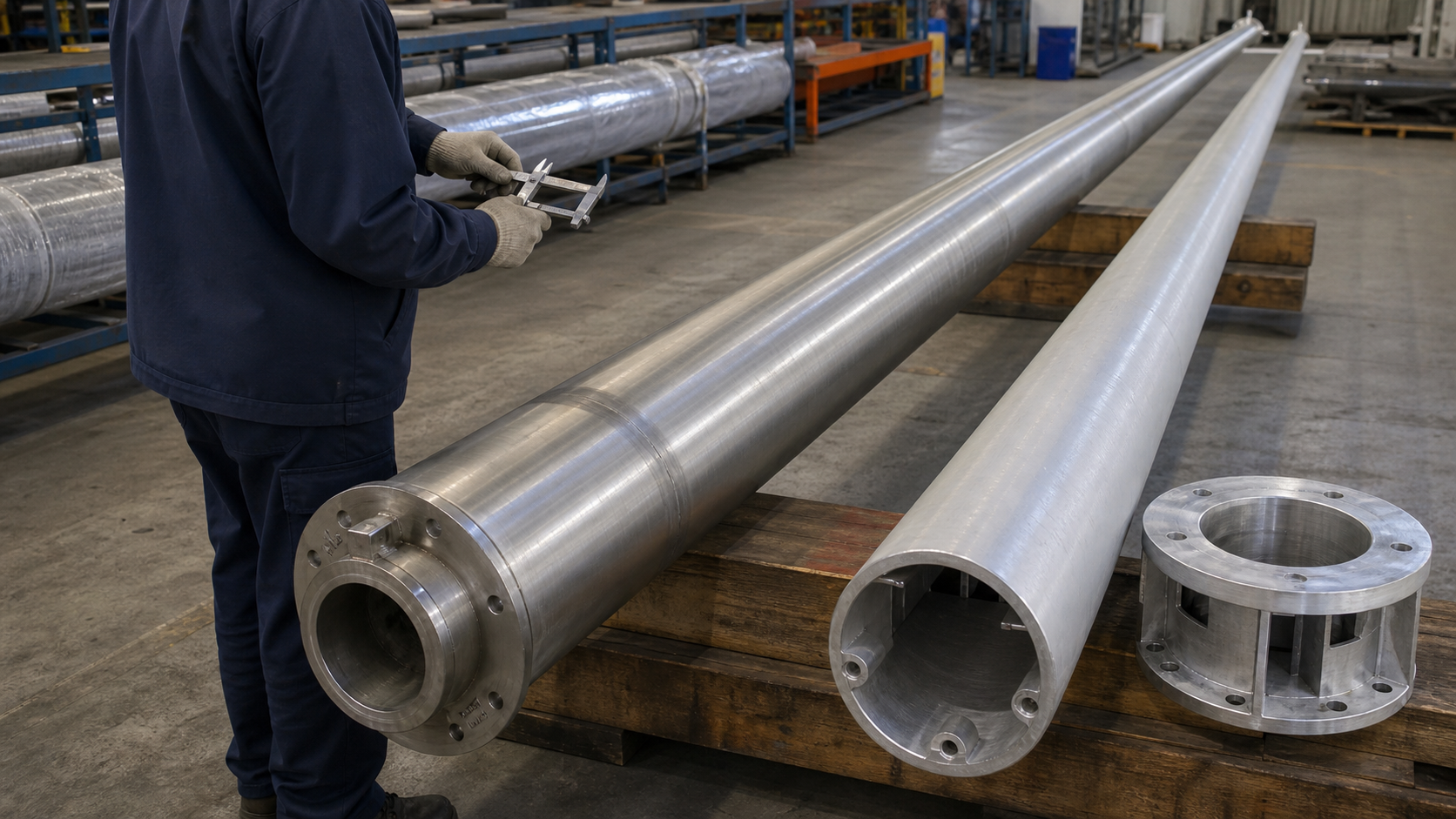
1. Begin With the Project Environment
Start with the actual installation environment: inland commercial site, coastal exposure, industrial atmosphere, public entrance, hotel, stadium or government facility. Moisture, salt exposure, airborne contaminants, cleaning practices and surrounding materials can all affect the material and finish decision.
Describe the environment in the RFQ rather than assuming that one material is suitable for every exposure condition. Where corrosion performance is critical, the project team should define the applicable material, finish and inspection requirements.
2. Compare the Intended Appearance
Aluminum and stainless steel can create different visual results. Aluminum flagpoles are commonly specified with mill, brushed, anodized or coated finishes. Stainless steel may be selected for a particular metallic appearance or to coordinate with adjacent architectural elements.
Request finish samples or clear finish descriptions when appearance is important. Do not compare materials only by a website image, since lighting, surface preparation and finish grade can change the visual result.
3. Review the Shaft and Base Configuration Together
A flagpole is not only a shaft. The base connection, anchor assembly, truck, halyard system, accessories and installation sequence must be compatible with the selected material and the approved project design.
Ask for drawings that identify the quoted configuration. The project team should confirm that the base interface and anchor layout match the current foundation detail before release.
4. Consider Fabrication and Finish Records
For either material, request the documents that the project actually needs. This may include product drawings, material descriptions, finish information, component lists and inspection records where specified.
A generic statement about material quality is not the same as project evidence. The documents should identify the supplied product and its relevant scope.
5. Plan Maintenance Around the Site
Maintenance requirements depend on exposure, cleaning access, finish, hardware arrangement and the owner's operating practices. Discuss practical inspection points such as halyards, trucks, cleats, surface condition, fasteners and the base area.
For sites with special cleaning, coastal exposure or industrial contaminants, include those conditions in the RFQ so the project team can review the proposed material and maintenance approach.
6. Use a Project Comparison Matrix
| Project Question | Aluminum Flagpole Review | Stainless Steel Flagpole Review |
|---|---|---|
| Site environment | Confirm alloy and finish required by the project. | Confirm grade, finish and exposure requirements. |
| Appearance | Review finish, color and surface expectation. | Review metallic appearance and finish expectation. |
| Base interface | Coordinate with approved pole and foundation drawings. | Coordinate with approved pole and foundation drawings. |
| Maintenance | Define inspection and cleaning access for the site. | Define inspection and cleaning access for the site. |
7. Avoid Common Procurement Mistakes
- Choosing material only from a generic product photo.
- Assuming a material grade or finish without including it in the quotation scope.
- Using a base or anchor detail that belongs to another pole configuration.
- Calling a product suitable for a demanding environment without project-specific review.
- Comparing prices without comparing included hardware, finish, documents and delivery scope.
8. Questions to Send With Your Inquiry
- What is the project location and exposure condition?
- What appearance, finish or architectural coordination is required?
- What pole height, flag arrangement and halyard system are requested?
- Is there an approved foundation and anchor-bolt interface?
- Which drawings, material records or inspection documents are required?
- Who will inspect and maintain the flagpole after installation?
9. Frequently Asked Questions
Is aluminum or stainless steel better for a commercial flagpole?
Neither material is automatically better. Compare the project environment, appearance requirement, proposed configuration, finish, maintenance approach and approved engineering criteria before selecting a material.
Can I choose a flagpole material only by corrosion resistance?
No. Corrosion exposure is important, but the decision should also consider finish, base interface, hardware, cleaning practices, project drawings and the responsible engineer's review.
What should I request from a flagpole supplier before ordering?
Request a quotation that identifies the material and finish scope, product drawings, base and anchor interface, included components, delivery details and any project documents required for review.
10. References
- Fortune Pole Knowledge Center
- ASTM International
- NAAMM: Guide Specifications for Design of Metal Flagpoles
Need a project comparison? Fortune Pole can review the requested material, pole configuration, finish and base-interface inputs for a quotation. Final material selection, environmental suitability and project approval should be confirmed by the responsible project team.